Slow Living for Beginners: 12 Small Changes That Actually Stick
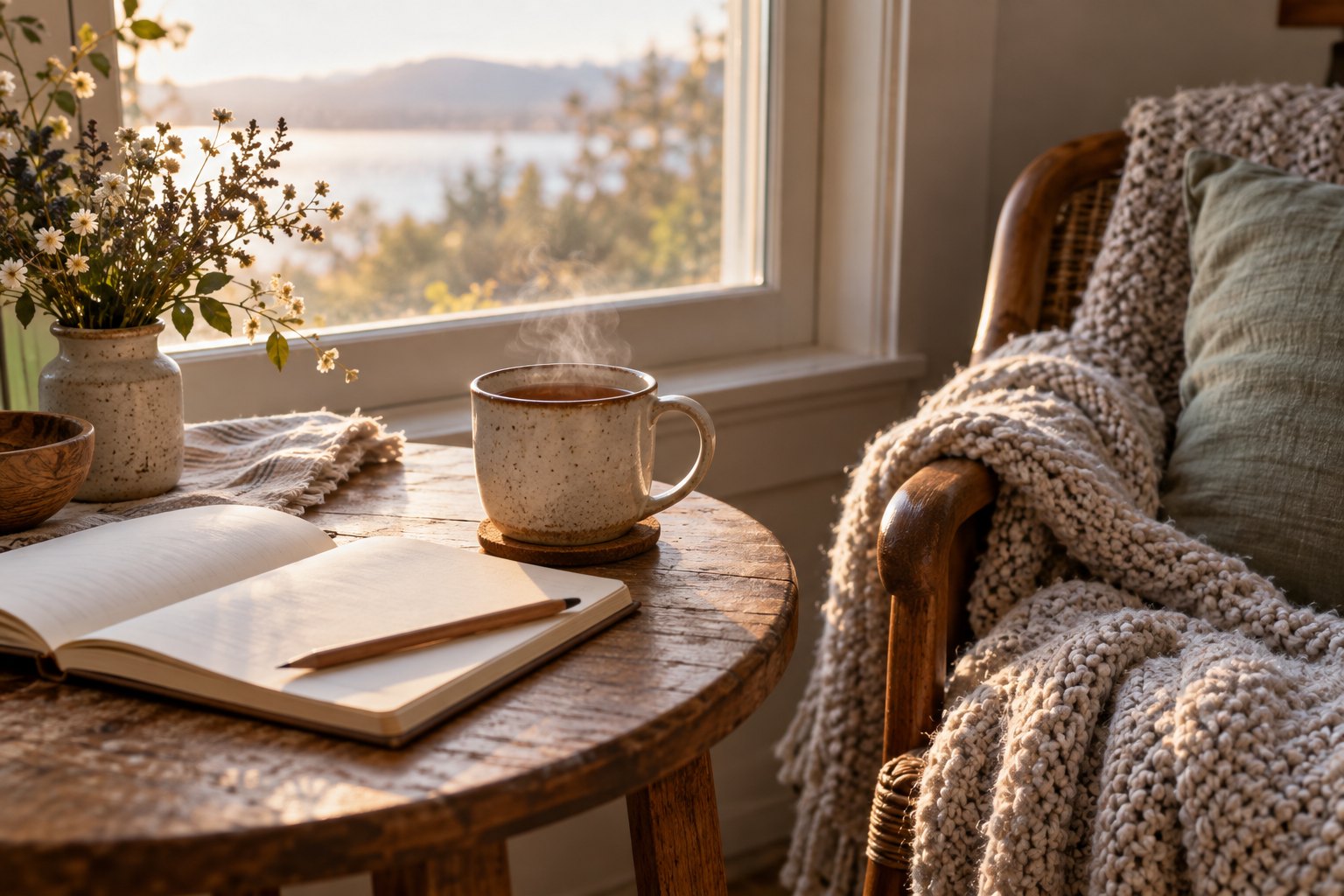
If you’re new to slow living, start smaller than you think. Slow living simply means doing fewer things with more attention, and the changes that last are the tiny, free ones: a cup of tea drunk sitting down, ten minutes without your phone, a short walk without headphones. Pick one, try it for a week, then add the next.
I’m Zeny, and I work full time in food quality, so my days are not slow by nature. Early starts, checklists, standards to meet. Slow living, for me, was never about quitting my job or moving to a cottage. It was about finding small pockets of calm inside an ordinary, busy week. These are the twelve changes that have made the biggest difference, gathered in one place so you can come back to them whenever you need a gentle place to begin.
What is slow living, really?
Slow living is a way of moving through your days with more intention and less rushing. It isn’t about doing everything slowly, owning less than everyone else or making your home look like a magazine page. It’s about noticing what you’re doing while you do it, and choosing a few things to give your full attention to.
Think of it as turning the volume down rather than switching life off. The washing still needs doing and the emails still arrive. You simply stop treating every moment as something to get through.
Why do small changes stick when big ones don’t?
Small changes stick because they ask for very little: no money, no complicated routine to remember, no perfect morning. Big overhauls tend to collapse the first time a week goes wrong. Every change in this guide follows three simple rules:
- It takes ten minutes or less.
- It costs nothing, or almost nothing.
- It fits around work, tiredness and real life.
If a change ever starts to feel like another chore on your list, make it smaller. Five minutes counts. Two minutes counts.
Slow mornings
The way a day begins often sets its pace, so mornings are a good place to start, even if yours are short.
1. Give the first ten minutes back to yourself
Before you check your phone, give yourself ten quiet minutes. Open the curtains, stretch, notice the light, let the kettle boil. The messages will still be there in ten minutes, and you’ll meet them a little steadier. If you’d like a few ideas for filling that time, my 5 gentle daily rituals for a calmer day are a soft place to start.
2. Drink one cup of tea sitting down
Choose one hot drink a day and drink it sitting down, without doing anything else. No scrolling, no standing at the counter, no tea going cold beside the laptop. Just the warmth of the mug in your hands and a few minutes of doing one thing. It sounds almost too simple, which is exactly why it works.
3. Eat one meal without a screen
Pick one meal a day, or even one meal a week to begin with, and eat it without a screen. Notice the taste, the texture, the moment you start to feel full. Breakfast at the table, or lunch on a bench outside, is often the easiest one to protect.
Slowing down during the day
Busy days are where slow living is most needed and hardest to remember, so these changes are designed to slip into small gaps.
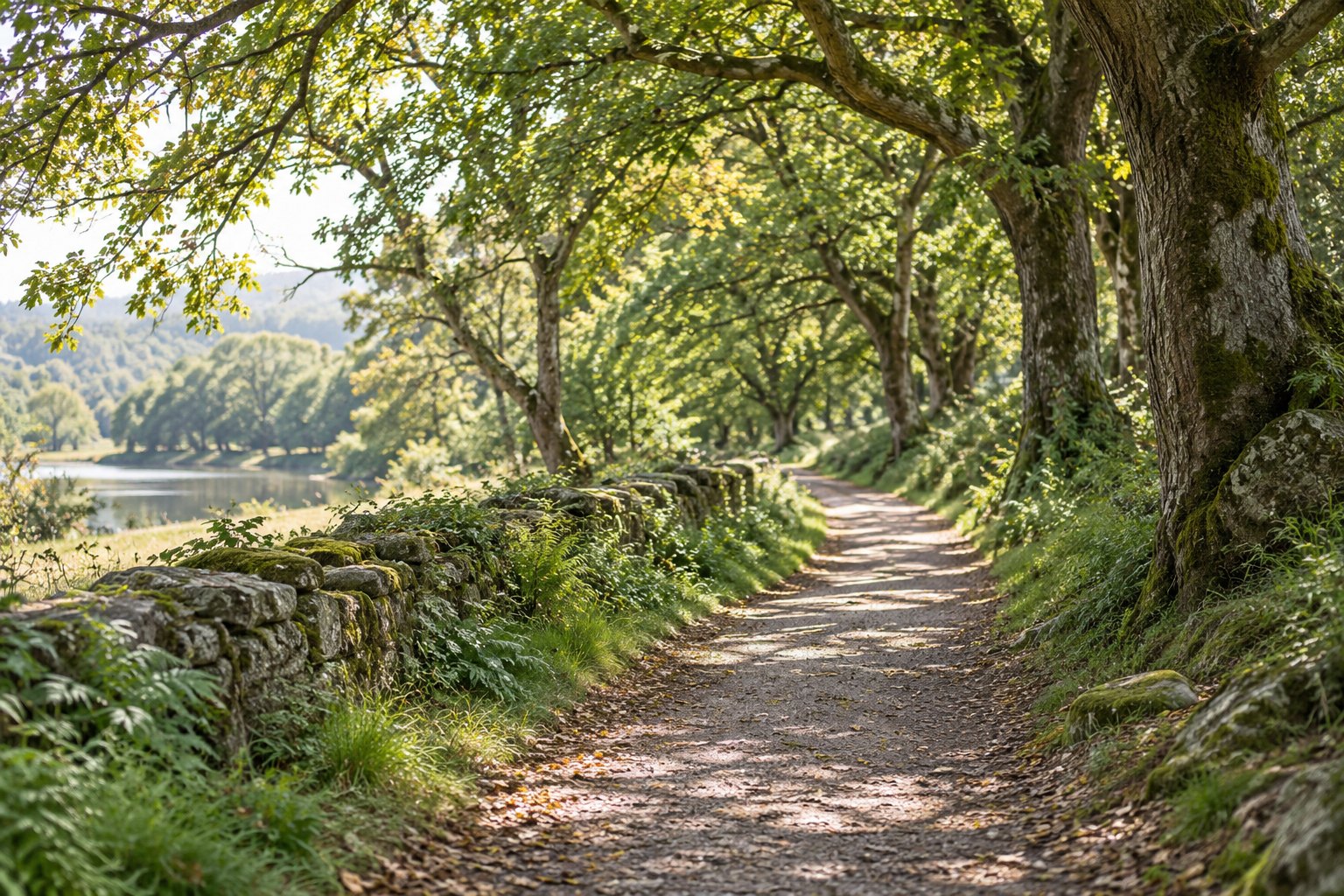
4. Take a ten-minute walk without headphones
Walk for ten minutes with nothing in your ears. Listen to the birds, the traffic, the wind, your own footsteps. A lunchtime loop around the block is enough. If you’d like to go a little deeper, try this simple walking meditation ritual.
5. Write for five minutes
Five minutes with a notebook can clear more space in your head than an hour of thinking in circles. Write what’s on your mind, one thing you’re grateful for, or simply how today feels. You don’t need a beautiful journal or the right words. Here’s how to make journaling a gentle five-minute habit that actually lasts.
6. Clear one surface, not the whole house
Instead of planning a big clear-out, choose one small surface: a bedside table, a corner of the kitchen counter, the windowsill. Clear it, wipe it and put back only what you love or use. One calm surface can change how a whole room feels, and it’s finished in minutes.
Slow evenings after work
Evenings are where the day either softens or keeps running at full speed. A few small rituals help it soften.
7. Create a small landing ritual when you get home
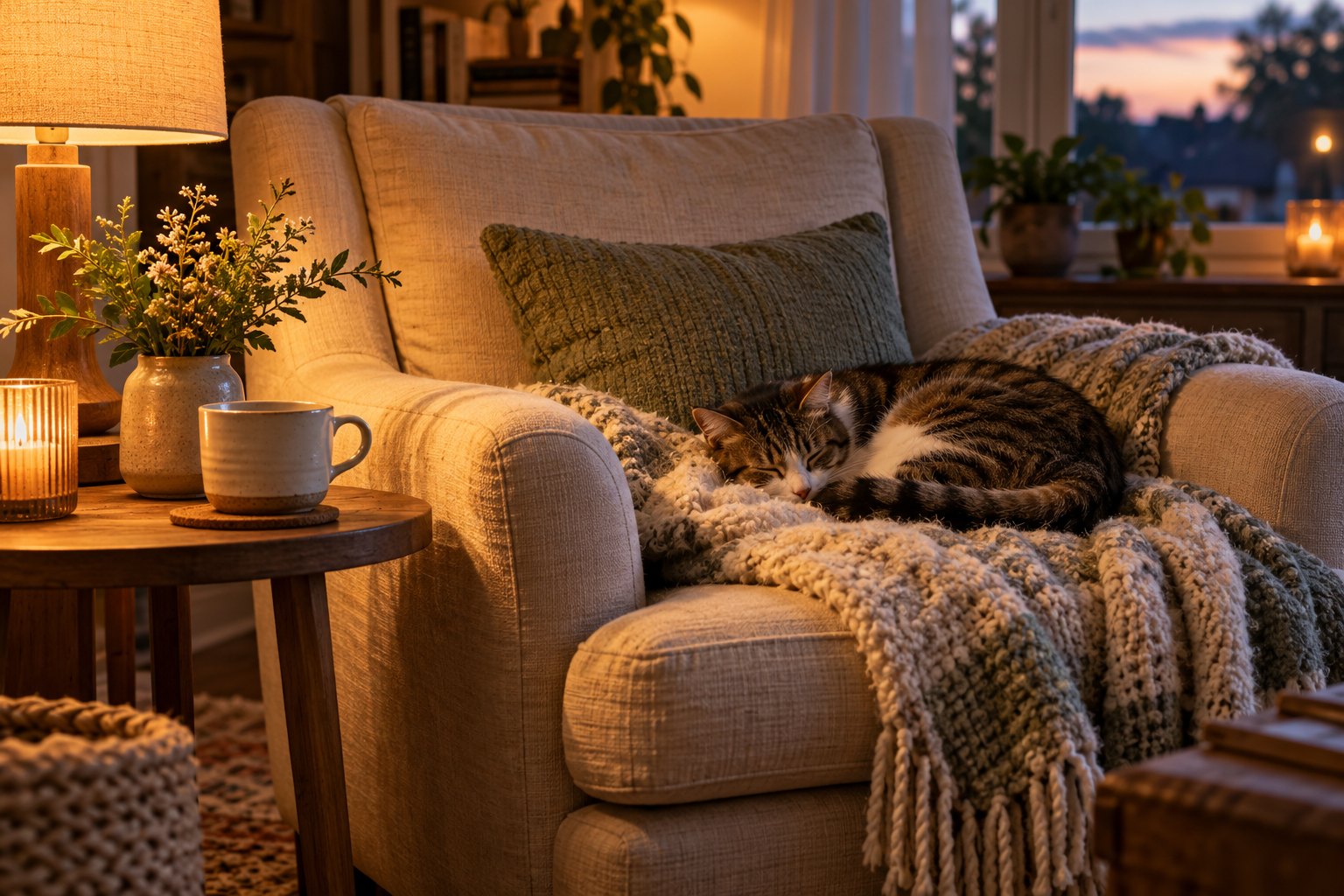
Give yourself a little ritual for arriving home, something that draws a line between work and the rest of your evening. Mine is simple. When I get home from work, the first thing I do is check on my cat: how the day has been, whether there’s food and fresh water in the bowls. Then we have our tea together. Well, I have the tea, and my cat keeps me company. Only after that do I start on everything else.
It takes ten minutes, and it changes the whole evening. Your landing ritual might be changing into soft clothes, lighting a candle or sitting by the window for a moment. For more ideas, here’s my slow evening routine for when you work full time.
8. Make something small, just for you
Cooking for one doesn’t have to mean eating something quick out of a packet. Once in a while, make something small and comforting just for yourself, and enjoy the making as much as the eating. A stovetop cinnamon rice pudding for one or a little batch of three-ingredient shortbread to go with your tea are two of my favourites.
9. Read one page before bed
Instead of scrolling until your eyes feel heavy, read one page of a real book before bed. One page is the promise; most nights you’ll read more. It helps to have a cosy spot waiting for you, even in a small home. Here’s how to create a cosy reading corner for slow living.
Living with the seasons and your own rhythm
Slow living isn’t only about single days. It’s also about noticing the bigger rhythms of the year, and of your own energy.
10. Notice what season it is
Each week, notice one small sign of the season: the first frost, lighter evenings, a change in the light, what’s new at the greengrocer’s. Living with the seasons gives you permission to slow down when the days are dark and open up when they’re long. If the darker months tend to feel heavy, these gentle rituals to make autumn feel cosy instead of gloomy might help.
11. Take a small pause once a month
Once a month, take half an hour to look back and look ahead. What felt good? What drained you? What would you like more of next month? Some people use the new moon as a natural moment to do this. If that appeals to you, try my gentle new moon journaling ritual.
12. Give yourself permission to do less
The last change is the hardest and the most important: allow yourself to do less. Say no to one thing you don’t have the energy for. Leave one task until tomorrow. Let an evening be quiet. Doing less isn’t failing; it’s making room for what matters. It’s also the reason I started this little corner of the internet. You can read why Zeny Lane exists if you’re curious.
How do you start slow living? One change a week
Don’t try all twelve at once. That’s the quickest way to turn slow living into another to-do list. Instead:
- Choose the change that feels easiest, not the one that sounds most impressive.
- Try it every day for a week.
- If it feels good, keep it and add another the following week.
- If a day goes wrong, simply start again tomorrow. There’s nothing to catch up on.
In three months, you could have twelve small habits woven quietly into your life, or just three that you truly love. Both count.
If you want to keep things simple and low-cost, here is how I enjoy slow living on a budget, with a no-spend weekend plan.
A few gentle questions
Is slow living just being lazy?
No. Slow living is about attention, not effort. You still work, cook and look after your home; you simply do some of it with more care and less rushing.
Can you live slowly if you work full time?
Yes. Most of these changes take ten minutes or less and fit into the ordinary gaps of a working day: before you check your phone, at lunchtime, or when you first get home.
Do I need to spend money to start slow living?
No. A cup of tea, a notebook you already own, a short walk and a cleared windowsill are all free. Slow living is about how you spend your time, not what you buy.
Where should a beginner start?
Start with the change that feels easiest. For many people, that’s drinking one cup of tea sitting down or taking ten phone-free minutes in the morning.
Slow living isn’t a place you arrive at once everything is in order. It’s a handful of small moments, chosen again and again, that make an ordinary life feel more like your own. Start with one tonight.
If you’d like more gentle ideas like these, you’re warmly invited to join the Zeny Lane newsletter: new stories, small rituals and cosy seasonal notes, straight to your inbox.
If you feel stuck and unsure what you want, start with micro goals.
With warmth,
Zeny
A little calm in your inbox
If you’d like a little more calm in your week, join the Zeny Lane newsletter. You’ll get gentle seasonal notes, new stories as they’re published, and free access to my Freebie Library of printable planners and gentle gifts.
No noise, no pressure. Just a quiet letter now and then.